Policy Briefing: Using Social Media and Community Outreach to Reduce Maternal Mortality in Cameroon
Overview
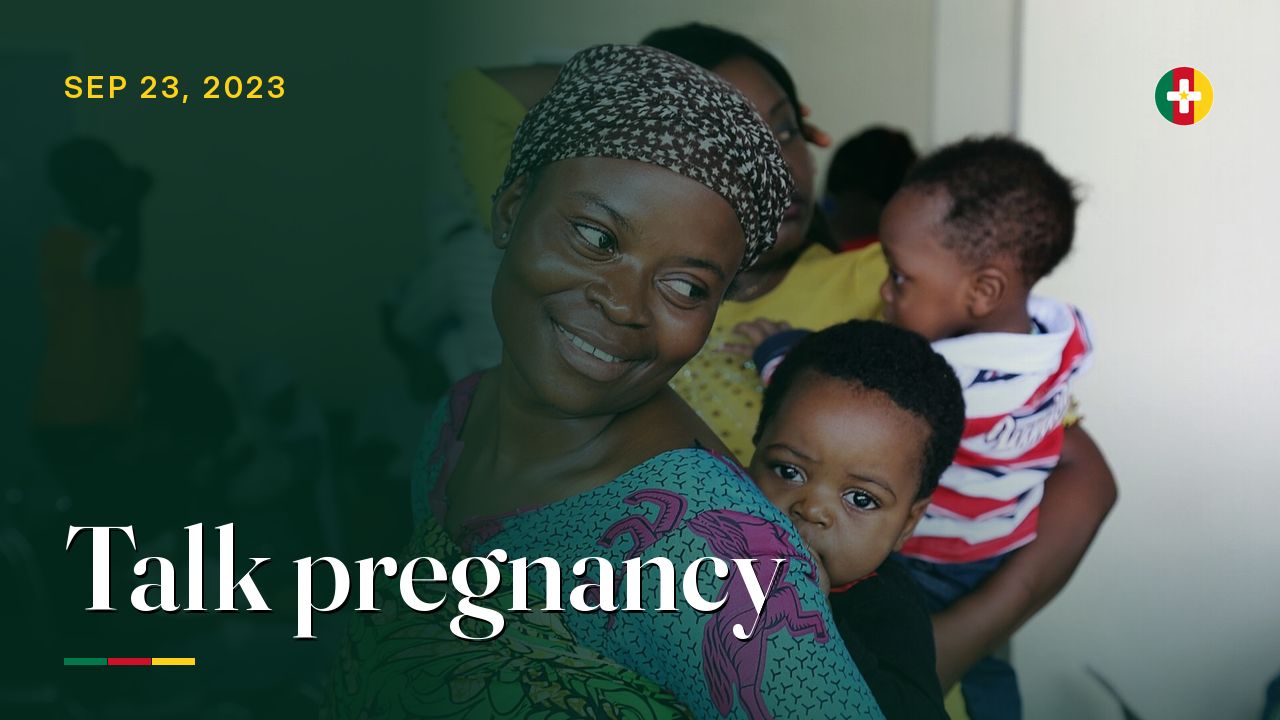
This policy briefing synthesizes key insights from the Cameroon Townhall for Healthcare Professionals meeting held in September 2023, focusing on the theme “Use of Social Media to Improve Maternal Health in Cameroon,” presented by Dr. Gwanyama Noella, founder of Talk Pregnancy with Dr. Noella.
Context
Cameroon's maternal mortality ratio was given as 406 per 100,000 live births in 2020, far above the SDG target of 70. In the North West, the crisis and COVID-19 coincided with a rise in maternal deaths at Bamenda Regional Hospital. Studies cited in the session found that up to 44.5% of women who died had no antenatal care. Social media now reaches large numbers of women who would not otherwise get accurate pregnancy information.
Key issues
- Low antenatal care uptake. Many women who die never attended antenatal care, so risks such as hypertension and haemorrhage are not identified.
- Cost and access. Antenatal care is not free, displaced women start late, and facilities in conflict areas have been burned.
- Beliefs and trust. Some religious leaders and family members discourage caesarean sections and hospital care.
- Incomplete data. Hospital-based figures may miss deaths at home, and the four delays in seeking, reaching and receiving care are not tracked.
- Gaps in services for vulnerable groups. Pregnancy follow-up is not part of the GBV pathway for rape survivors.
Discussion highlights
- A doctor-led social media channel reached close to 900,000 views in under two years.
- Religious leaders can be engaged as allies when given accurate information.
- Community health workers can find and refer pregnant women not in care.
- The Ondo State experience in Nigeria offers a model for linking birth attendants to facilities.
- Maternal death audits and reliable data are needed to target action.
Recommendations
- Make antenatal care free under UHC. MINSANTE should include a full package of antenatal visits and basic tests in the next phase of Universal Health Coverage, starting with displaced women and adolescents. First step: cost the package for the North West and South West.
- Task community health workers with finding pregnant women. Regional delegations should train community health workers to identify every pregnant woman in their area, refer high-risk cases, and record antenatal care status. First step: scale the Wum training model to other health districts with high maternal deaths.
- Train religious and community leaders. Regional delegations, hospitals and faith bodies should run pilot sessions for pastors, imams and traditional leaders on danger signs, caesarean section and antenatal care. First step: the pilot in Bamenda offered by the Town Hall.
- Strengthen maternal death surveillance. MINSANTE should extend maternal death audits to community deaths, with a reporting line and regular public reports, drawing on the UK confidential enquiry model and the Ondo State programme. First step: a community death notification pilot in one North West health district.
- Support trusted digital health education. MINSANTE and partners should recognise and support clinician-led social media education, and add pregnancy follow-up to the GBV care pathway. First step: a referral link between GBV services and antenatal clinics at Bamenda Regional Hospital.
Next steps
The Town Hall offered to facilitate and help fund a faith leader training pilot in Bamenda. A participant offered to connect the Town Hall with the Ondo State programme lead. The next session was set for two weeks later.
Conclusion
The session showed that a single doctor using social media, with volunteers and small grants, can reach many women. Free antenatal care, community outreach, engagement of faith leaders and better data are needed to bring Cameroon's maternal mortality down.
Meeting minutes
Agenda
- Welcome by the moderator, Elvis Ndansi, and remarks by the co-moderators
- Remarks by the Chair, Dr. Munoh Kenne Foma, including an announcement of an October breast cancer workshop
- Presentation by Dr. Gwanyama Noella on using social media to improve maternal health
- Reflections by moderators and participants
- Discussion and Q&A, moderated by Dr. Bryan Tegomoh
- Summary, closing remarks and next meeting
Opening remarks
- Elvis Ndansi reported that the Town Hall had reached about 2,100 participants across 36 countries.
- Dr. Bryan Tegomoh noted the closing of the UN General Assembly that week and said recent WHO figures on maternal deaths in Cameroon showed how much work remains.
- Dr. Katte Jean-Claude reported on a meeting of the Cameroon NCD Alliance and partners in Bamenda on putting NCDs into Cameroon's health strategy and Universal Health Coverage.
- The Chair announced a four-part workshop for practitioners in October, Breast Cancer Awareness Month, outside the Saturday sessions, noting that breast cancer is the leading cancer in Cameroon and is diagnosed late. He said maternal mortality in Cameroon is worse than in the 1980s.
Presentation
1. Maternal mortality: global and national picture
Dr. Noella defined maternal death as the death of a woman during pregnancy or within 42 days of its end from any cause related to or aggravated by the pregnancy. Citing WHO estimates, she said the global maternal mortality ratio is about 210 per 100,000 live births against the SDG target of 70, that a woman dies every two minutes from a largely preventable cause, and that 99% of deaths occur in developing countries. She gave Cameroon's ratio as 406 per 100,000 in 2020.
2. North West data and the effect of the crisis
Regional perinatal network data showed 46 maternal deaths in the North West in 2021, highest in Bamenda followed by Oku and Wum health districts. At Bamenda Regional Hospital, where she sits on the maternal and neonatal death audit committee, maternal deaths rose from six in 2018 to about double that number in 2020, which she linked to COVID-19 and the peak of the crisis, before falling as staff training and awareness improved.
3. Missed antenatal care
She cited a study covering 2017 to 2022 in which 11.4% of 116 women who died had not attended antenatal care, and a study at Yaoundé Central Hospital and the Yaoundé Gynaeco-Obstetric and Paediatric Hospital in which 44.5% of the women who died had no antenatal consultation. Haemorrhage, sepsis (including from unsafe abortion), obstructed labour and hypertensive disorders are the main direct causes, and many risks can be picked up during antenatal care.
4. Her own story
While working in the maternity unit, Dr. Noella went for a last scan at nine months and learned the umbilical cord was wrapped around her baby's neck with a knot. An emergency caesarean section was done within about 45 minutes and mother and baby were fine. She asked what would happen to women without the same access, and family comments about her caesarean led her to start educating women publicly.
5. Social media reach
She began with a Facebook page (about 3,700 followers), then started a YouTube channel in February 2022 that had about 20,400 subscribers, 46 videos and nearly 900,000 views, and a TikTok account nearing 30,000 followers. Followers come from Cameroon and other African countries, the United States and the United Kingdom. She trained over 200 women in closed groups to track their menstrual cycles to avoid unwanted pregnancies, and ran live sessions with colleagues on infertility (over 670 reached, with 10 women coming to the Regional Hospital for care) and on medicines in pregnancy with a pharmacist (over 600 reached).
6. Work on the ground
With grant funding she followed 10 internally displaced pregnant women through antenatal care, some starting only at seven months, and followed a 14-year-old rape survivor through pregnancy to a caesarean delivery, since the hospital's GBV pathway did not cover pregnancy follow-up. She runs preconception care and premarital screening education, radio talks and community campaigns (including in Bambili), and family planning outreach to people with disabilities, supported by over 30 trained volunteers. She received an EU-funded GBV grant and was the first recipient of the Aviva Women in Science Fund, to train community health workers, nurses and doctors in Wum to identify and refer high-risk pregnancies.
7. Proposed way forward
She called for collaboration between government, NGOs and the media; awareness of preconception care; higher antenatal care uptake, with community health workers bringing every pregnant woman they see to a facility; subsidised or free antenatal care under Universal Health Coverage; and rebuilding health facilities burned during the crisis.
Discussion and Q&A
- Dr. Bryan Tegomoh asked what systemic changes Cameroon needs to improve maternal health. Dr. Noella said Universal Health Coverage should cover antenatal care fully or at least reduce its cost, so that every woman knows she can follow her pregnancy. She contrasted this with the near-universal antenatal care uptake she heard about in the United States. The Chair added that large maternal health disparities exist in the United States too, with some Black communities in Washington DC and New York having rates close to Africa's.
- A participant who had run antenatal clinics asked how she deals with religious beliefs and with women who trust others, or social media, more than their doctor. Dr. Noella said she explains complications bluntly, tells families that God gave doctors wisdom as well as pastors, and uses the language and topics women search for on social media to draw them to accurate information.
- Dr. Katte Jean-Claude asked whether training should target religious leaders. Dr. Noella said she had invited a pastor to a premarital screening session and he was persuaded, and she agreed to work on training religious leaders. Dr. Katte, who is also a pastor, offered to help explain the misread scriptures often used against medical care. The Chair said the Town Hall would facilitate and help fund a pilot training for faith leaders in Bamenda.
- Dr. Samuel Ndinjiakat asked where her audience comes from and how often she runs campaigns. About 60% of her Facebook audience is Cameroonian; YouTube draws viewers across Africa and from the US and UK. She advises distant viewers to see their own doctor. Campaigns are held as needs arise and funds allow, with volunteers trained in leadership and design.
- A nurse anaesthetist in Buffalo, New York, trained as a midwife in Bamenda, asked whether she had studied older programmes in which mission and public maternities provided low-cost antenatal care. Dr. Noella said she had seen a free antenatal care programme end within months and would look into what worked before. The participant suggested contacting Prof. Pius Tih, Director of CBC Health Services.
- The Chair asked whether maternal death data are hospital or community based, and how the four delays affect outcomes. He argued that many women die at home and are not counted, and pointed to roads, hospital attitudes, and basics such as water (a maternity he worked in had none). Dr. Noella agreed that collaboration across ministries, rebuilding facilities and training staff are needed.
- A consultant in maternal and fetal medicine based in Doha described the UK Confidential Enquiry into Maternal Deaths and a programme in Ondo State, Nigeria. She said Ondo State linked traditional and church birth attendants to facilities, trained them in risk identification, used adapted ambulances, and set up a maternal death reporting line, which she said led to a 33% reduction in maternal mortality. She offered to connect the Town Hall with the lead investigator.
Calls to action and closing
- Elvis Ndansi summarised the session and quoted the speaker: if every woman knows what pregnancy is about and what to expect, it will be a better beginning for women.
- The moderators agreed that religious leaders could become champions for antenatal care, with a pilot training in the North West.
- The Chair said real stories move people more than statistics and invited participants to propose topics.
- The next session was announced for two weeks later.
Next meeting
In two weeks.
Submitted by the Co-Moderators, Cameroon Town Hall for Healthcare Professionals.