Policy Briefing: COVID-19 After the Emergency, Variants, Surveillance and Preparedness in Cameroon
Overview
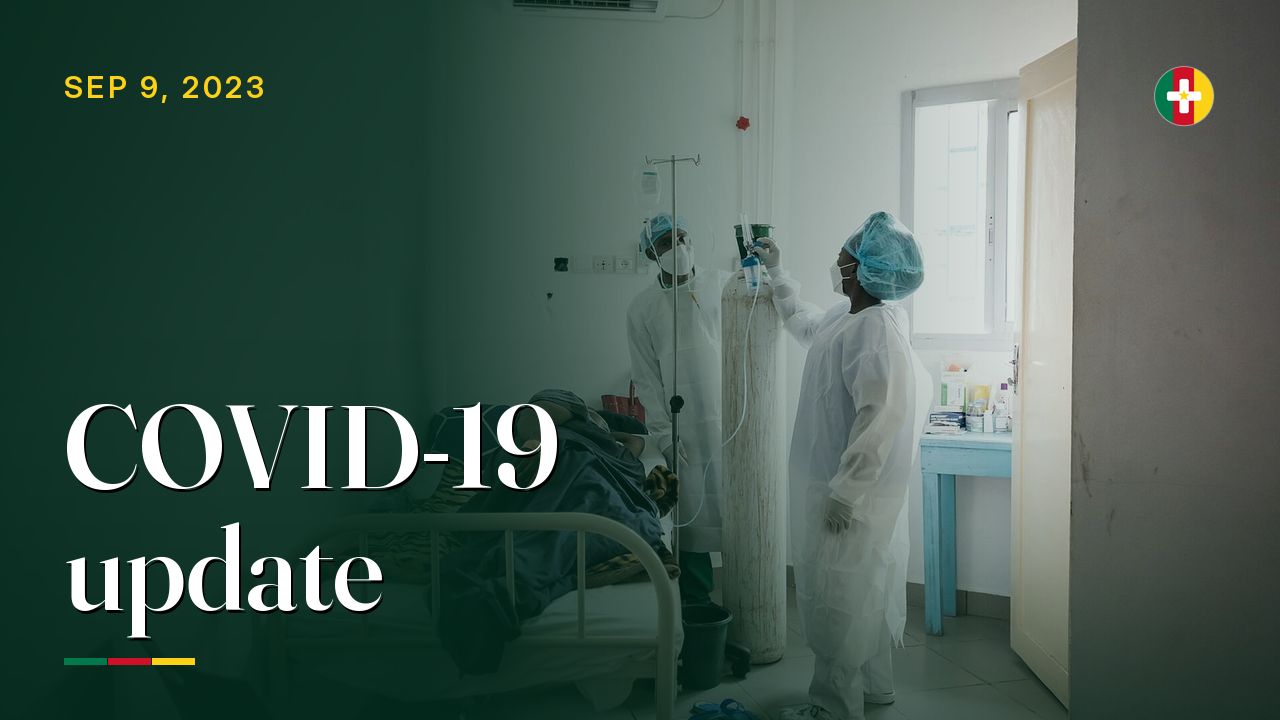
This policy briefing synthesizes key insights from the Cameroon Townhall for Healthcare Professionals meeting held on September 9, 2023, focusing on the theme “Latest Updates on COVID-19: Emerging Variants,” presented by Dr. Bryan Tegomoh.
Context
WHO ended the COVID-19 emergency in May 2023, but new variants such as EG.5 and BA.2.86 were driving rises in cases. Testing and genomic sequencing have fallen worldwide, and Cameroon has reported little surveillance data since early 2022. Effective antivirals remain largely unavailable in Africa, and the pandemic exposed unfair vaccine pricing for African countries.
Key issues
- Weak surveillance. Cameroon has little current data on COVID-19 cases or variants, and sequencing capacity is limited by bioinformatics skills.
- No basis for wastewater monitoring. Few wastewater treatment plants and widespread pit latrines and open dumping limit wastewater surveillance.
- Access to treatment. Paxlovid and newer therapeutics are expensive and largely unavailable, while dexamethasone is cheap and effective for severe disease.
- Unfair procurement. African countries paid more for vaccines, partly through third-party procurement and weak negotiating positions.
- Long COVID. Long-term effects are not well studied or tracked.
Discussion highlights
- Hospitalisations due to COVID-19, not case counts, are now the best measure of impact.
- Vaccination reduces the risk of long COVID.
- Existing rapid and PCR tests remain reliable.
- Pandemic investments in oxygen, ICU beds and PCR machines should be maintained.
- Africa needs its own research, manufacturing and field epidemiology capacity.
Recommendations
- Maintain sentinel surveillance. MINSANTE and the national public health emergency operations system should keep sentinel testing and sequencing at selected hospitals and report hospitalisations due to COVID-19 and other respiratory viruses. First step: publish quarterly respiratory virus surveillance data.
- Build bioinformatics and field epidemiology skills. MINSANTE, universities and partners should train analysts to use existing sequencing machines, linking genomic data with clinical and epidemiological data, and enrol staff in the Africa CDC epidemic service and FETP programmes. First step: a national genomic data team for SARS-CoV-2, influenza and other priority pathogens.
- Pilot environmental surveillance where feasible. MINSANTE and city councils should assess sites in Yaoundé and Douala (hospitals, markets, treatment plants) for wastewater or environmental sampling, linked to sanitation investment. First step: a feasibility study using polio environmental surveillance sites already in place.
- Protect access to treatment and oxygen. MINSANTE should keep dexamethasone and oxygen in stock at all referral hospitals, maintain oxygen plants and ICU capacity, and negotiate access to oral antivirals through pooled procurement. First step: an inventory of oxygen plants and their maintenance status.
- Procure directly and support local manufacturing. MINSANTE and the Ministry of Finance should streamline payment rules for emergency purchases to reduce reliance on intermediaries, and join African Union pooled procurement and manufacturing initiatives. First step: review the costs of COVID-19 vaccine and test procurement.
- Target boosters to those at highest risk. MINSANTE should focus updated COVID-19 vaccination on people 65 and older and those with chronic conditions, alongside influenza vaccination where available.
Next steps
The next session was announced for two weeks later.
Conclusion
COVID-19 is no longer an emergency but is not over. Cameroon needs working surveillance, trained analysts, steady access to oxygen and basic treatments, and a stronger regional position on procurement, so that the next variant or pandemic does not find it unprepared.
Meeting minutes
Agenda
- Welcome by the moderator, Elvis Ndansi, and remarks by the Chair
- Presentation by Dr. Bryan Tegomoh on COVID-19 updates and emerging variants
- Reflections and Q&A
- Closing remarks by the presenter and the Chair
Opening remarks
- Elvis Ndansi described the session as a return to COVID-19, the subject that first brought the Town Hall together, as cases were rising again in the United States.
- The Chair said about half of his cancer patients were wearing masks again and noted the political divide over masks, three years into the pandemic.
- He introduced Dr. Bryan Tegomoh, co-moderator, as someone who had followed SARS-CoV-2 genomics closely and trained African countries to identify their own variants.
Presentation
1. From emergency to endemicity
Dr. Tegomoh recalled that the UK Health Security Agency and the European CDC declared a state of endemicity on April 27, 2022, when COVID-19 hospitalisation and death rates became comparable to RSV and influenza. WHO Director-General Dr. Tedros ended the Public Health Emergency of International Concern on May 5, 2023, and the United States ended its public health emergency on May 11, 2023. He stressed that COVID-19 is still circulating, with cases rising due to new immune-evasive variants and continuing concern about long COVID.
2. What the data show
WHO dashboards showed a surge in the Western Pacific driven mainly by mainland China after restrictions were lifted abruptly in December 2022, while the Americas were under-represented because the United States had stopped reporting individual cases. Weekly hospitalisations attributable to COVID-19 in the US were rising slowly. Cameroon had reported little data since the late 2021 to early 2022 wave, so there was no good measure of the local situation. A CDC MMWR analysis showed in-hospital mortality fell from about 15% during the Delta wave to about 4.9% in the later Omicron period.
3. Wastewater surveillance
With less testing and home antigen tests, case counts have lost meaning, and wastewater is now a main indicator in the US: SARS-CoV-2 genetic material shed in stool is measured at treatment plants and tracks rising hospital admissions. Results are affected by weather, timing and population, and methods need standardising. Wastewater can also track antimicrobial resistance genes, mpox and polio. Africa has very few wastewater treatment plants, and open dumping of waste is common in Cameroonian cities, which limits its use there.
4. Genomic surveillance is declining
EG.5 was the predominant variant, followed by XBB.1.16 and XBB.1.5, all variants of interest. Submissions to GISAID have fallen sharply worldwide, which makes it hard to follow how the virus evolves. Genomic data are only useful for public health when produced quickly and linked to clinical and epidemiological data, and there is a large gap in bioinformatics and applied epidemiology skills.
5. BA.2.86
BA.2.86, first reported from Denmark, carries an unusual number of spike mutations and is antigenically distant from other BA.2 descendants. About 100 sequences of BA.2.86 and its descendants had been reported when he checked that morning. Early laboratory studies from groups in China, Sweden (Karolinska Institutet), the Fred Hutchinson Cancer Center and Boston found less immune escape than its mutation count suggested, and a manufacturer preprint showed that the monovalent XBB.1.5 booster produced strong neutralising antibodies against BA.2.86. He expected the fall booster to protect against current Omicron sub-variants.
6. Long COVID and prevention
He cited a Nature study showing that vaccination lowered the risk of post-acute sequelae such as fatigue, brain fog, breathing difficulties and muscle pain. Preventing infection remains the best approach, using the layered 'Swiss cheese' model of masks, staying home when sick, testing, vaccination and treatment, which also applies to RSV and influenza.
7. Diagnosis and treatment
Diagnostic algorithms (IDSA) have not changed; antigen and PCR tests still work because they target conserved regions. There is no clear antibody threshold that defines protection. No monoclonal antibody works against current variants. Nirmatrelvir/ritonavir (Paxlovid) within five days remains the standard for non-severe disease in those at risk, and dexamethasone is effective for hospitalised patients needing oxygen but not for those who do not. Molnupiravir may accelerate viral mutation and is now a last resort. Paxlovid remains expensive and largely unavailable in Cameroon and Africa.
Discussion and Q&A
- The Chair noted that new therapeutics are still unavailable in most of Africa and that court-released documents showed South Africa paid more for COVID-19 vaccines than richer countries. How can Africa avoid this in future? Dr. Tegomoh said technology transfer, for example for mRNA platforms, matters, but Africa must build its own expertise in vaccines and therapeutics, which requires political ownership by African Union member states. Elvis Ndansi added that procurement through third parties, because of complex government payment processes, adds cost, and that local manufacturing and African-discovered molecules are needed.
- A participant asked how long the virus survives in wastewater. Dr. Tegomoh explained that wastewater testing measures viral nucleic acid by PCR, not live virus. Live virus has occasionally been isolated from stool, and people with immune suppression can shed virus for long periods.
- The Chair asked whether wastewater or soil sampling could work in Cameroon, where most homes use pit toilets or individual septic systems. Dr. Tegomoh said Cameroon lacks the linked sewer networks that make community sampling possible, and that funding for wastewater analytics in Africa will be hard to use without treatment plants. Progress depends on sanitation investment under the SDGs and government ownership.
- Dr. Samuel Ndinjiakat asked whether the US ever reached herd immunity, and whether there is an antibody titre that proves immunity. Dr. Tegomoh said neither can be defined for a virus that keeps evolving to escape immunity. Higher neutralising antibody levels correlate with protection and wane over time, but no clear correlate of protection exists. The UK and European CDC declared endemicity based on hospitalisation and death levels, not a herd immunity threshold. He expected yearly boosters, as for influenza.
- Elvis Ndansi asked whether rapid and home tests are still accurate against new variants. Dr. Tegomoh said they are, because they target conserved parts of the virus. The bigger question is the value of counting cases when, by a CDC estimate, about 95% of the US population has some immunity.
- The Chair asked whether a new Greek-letter variant is expected, whether patients should get vaccinated now or wait for the new booster, and whether hospital admission testing could support surveillance. Dr. Tegomoh said BA.2.86 sits within the BA.2 lineage and he did not expect it to be named a variant of concern unless it changed hospitalisation patterns. He expected the ACIP to recommend the XBB.1.5 booster for people 65 and over and those with underlying conditions. Hospital samples often have very low viral loads (cycle thresholds above 30 to 35) and fail sequencing, so wastewater, nursing home testing and hospitalisations due to COVID-19 are better indicators.
Calls to action and closing
- Dr. Tegomoh noted the Africa CDC's new epidemic service for training field epidemiologists and said Cameroon has sequencing machines but lacks bioinformatics capacity. He concluded that Africa needs African solutions to African problems.
- The Chair reminded participants that dexamethasone, the most effective drug for severe COVID-19, is cheap and available, and listed gains from the pandemic in Cameroon: more medical oxygen and oxygen plants, ICU capacity, and PCR machines that can be used for other work.
- Elvis Ndansi closed the session and announced the next meeting in a fortnight.
Next meeting
In a fortnight (Sep 23, 2023).
Submitted by the Co-Moderators, Cameroon Town Hall for Healthcare Professionals.