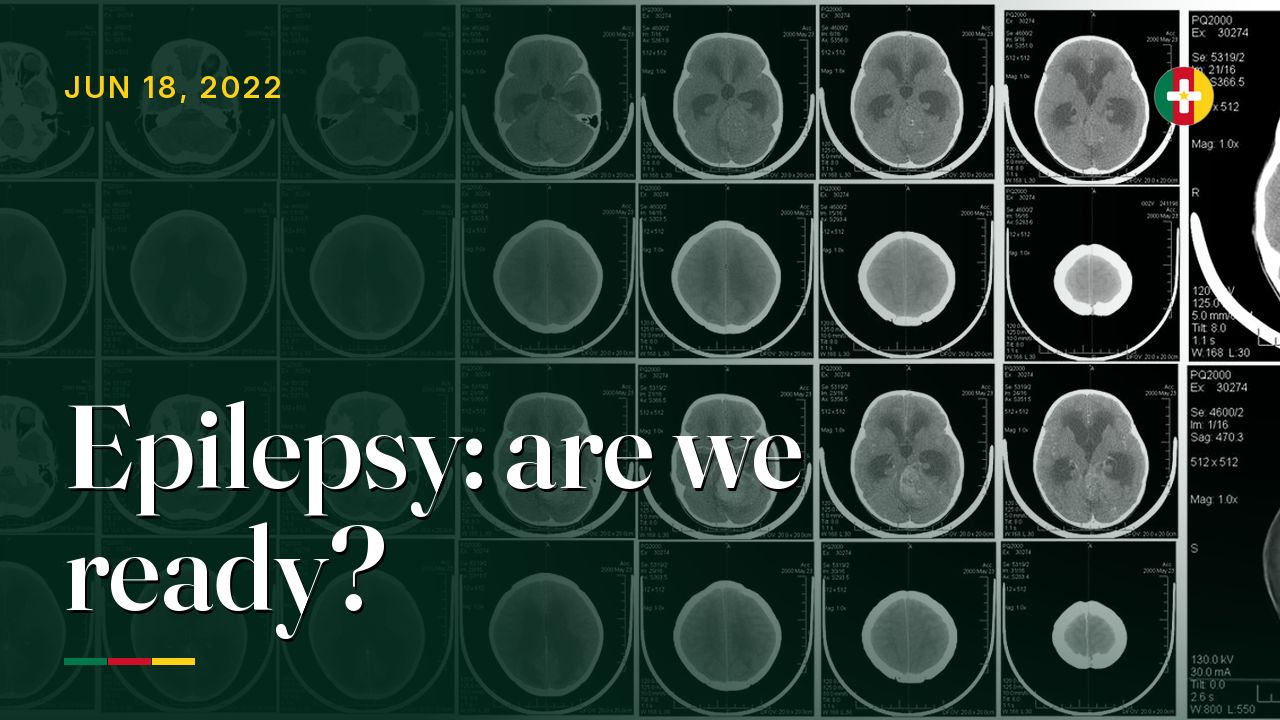
Epilepsy in Cameroon: How Prepared Are We?
Overview
This policy briefing synthesizes key insights from the Cameroon Town Hall for Healthcare Professionals meeting held in June 2022, focusing on the theme 'Epilepsy in Cameroon: How Prepared Are We?', presented by Dr. Samuel A. Angwafor, neurologist and epilepsy researcher.
Context
Epilepsy is common in parts of Cameroon, with parasitic causes such as onchocerciasis and neurocysticercosis endemic in areas like the Batibo Health District, where some families have several affected members. Most people with epilepsy can be controlled with low cost medicines, yet many receive no treatment. Evidence from sub-Saharan Africa shows that nurse-led rural clinics using phenobarbital control seizures in about two thirds of patients, but most such programmes depend on external funding.
Key issues
- Treatment gap and medicine prices. The speaker reported a tenfold rise in the price of phenobarbital through the regional drug supply system. Valproate and carbamazepine are unaffordable for many, and donated medicines often run out or expire.
- Limited data. Studies are concentrated in a few areas, there is no national picture of where epilepsy is most common, and the share of epilepsy due to parasitic infections is unknown.
- Dependence on external funding. Most successful epilepsy programmes in the region were donor funded and are at risk when funding ends.
- A changing pattern of causes. Alongside parasitic causes, stroke, dementia and head injuries from road and motorcycle accidents are increasing as the population ages and urbanises.
- Gaps in care for women. Epilepsy in pregnancy, fertility and medicine safety for women are under studied and poorly addressed.
Discussion highlights
- Epilepsy care can start without EEG, imaging or neurologists: trained nurses and general health workers can diagnose and treat most patients.
- Integration with onchocerciasis control, through community distributors of ivermectin, was proposed as a route to sustainable case finding and treatment.
- Imaging adds little to first line management in most patients, given costs of 75,000 to 100,000 FCFA for a CT scan, but should be considered for drug resistant or focal epilepsy.
- Prevention of parasitic epilepsy depends more on hygiene, sanitation, meat inspection and pig vaccination than on mass antiparasitic treatment.
- Diaspora partners should follow the lead of clinicians working in Cameroon; the ACPA expressed interest in collaborating with the town hall.
Recommendations
- Guarantee an affordable supply of phenobarbital. MINSANTE and the regional funds for health promotion should review the recent price rise and place phenobarbital and basic anti-seizure medicines on the subsidised essential medicines list, as is done for other priority conditions. First step: a price and availability survey of anti-seizure medicines across regional drug supply points.
- Scale up nurse-led epilepsy clinics in primary care. Regional delegations and district health services should establish nurse-led epilepsy clinics at health area level, supervised by a district epilepsy team, starting in districts known to be endemic. First step: restore and expand the Batibo model and train nurses using free ILAE materials.
- Integrate epilepsy into onchocerciasis control. The national onchocerciasis and neglected tropical disease programmes should train community drug distributors to identify suspected epilepsy and refer or follow up patients during ivermectin distribution.
- Map the burden and causes of epilepsy. MINSANTE, universities and research partners should fund regional prevalence mapping and cohort studies on risk factors, including neurocysticercosis, onchocerciasis, stroke and head injury, to guide where resources go. Diaspora researchers can support grant applications led by Cameroonian teams.
- Prevent parasitic epilepsy through One Health measures. Ministries responsible for health, livestock and local councils should strengthen hygiene and sanitation, meat and slaughterhouse inspection, and pig vaccination in endemic areas.
- Address epilepsy in women. Training schools and hospitals should include epilepsy in pregnancy and safe prescribing for women of childbearing age in training, and researchers should study fertility and pregnancy outcomes in women with epilepsy, working with gynaecologists and paediatricians.
Next steps
The chair welcomed a partnership with the ACPA, and participants encouraged research collaborations led by clinicians working in Cameroon.
Conclusion
Cameroon already has the knowledge and a tested model to close much of the epilepsy treatment gap: trained nurses, phenobarbital at an affordable price, and links to existing community programmes. What is needed is a stable medicine supply, integration into primary care, and better data on where epilepsy is most common and why.
Meeting minutes
Agenda
- Presentation by Dr. Samuel A. Angwafor on epilepsy in Cameroon
- Reflections from invited guests
- Discussion and Q&A
- Vote of thanks by the Chair and closing
Opening remarks
- A participant introduced Dr. Samuel A. Angwafor, who presented on epilepsy in Cameroon.
Presentation
1. What works in sub-Saharan Africa
Dr. Angwafor presented a scoping review of epilepsy health services in sub-Saharan Africa that he carried out with colleagues in Nigeria and Canada. Most programmes were rural and run by nurses or general health workers rather than physicians, and they achieved good seizure control in about two thirds of patients, mostly with phenobarbital. Most of the funding came from external agencies, which leaves programmes exposed when funding ends.
2. Epilepsy care does not need specialists or scans to start
He said health workers cannot excuse themselves from treating epilepsy because they lack EEG, imaging or a neurologist. The core concepts are simple, a nurse-led rural model brings care close to patients and lowers cost, and training non-physician workers takes few resources. He considered epilepsy surgery a lower priority while most of the roughly 70 percent of patients who could be controlled with medicines remain untreated.
3. A model linked to the district health service
He proposed nurse-led epilepsy clinics at health area level that diagnose, treat and counsel, linked to a district hospital epilepsy team that secures anti-seizure medicines, with mobile clinics and home visits for hard to reach communities. At Batibo he had run an epilepsy clinic with about 100 registered patients receiving monthly treatment, and about 60 percent were seizure free on phenobarbital alone before the clinic was lost to the armed conflict.
4. Integration with onchocerciasis control
He noted growing advocacy for integrating epilepsy care into the river blindness programme, for example by training community distributors of ivermectin to identify people with epilepsy and distribute anti-seizure medicines. He saw integration into primary health care as the route to sustainability.
5. Proposals for Cameroon
He called for cohort and risk factor studies, particularly on neurocysticercosis and onchocerciasis, and said epilepsy will not be controlled without preventing parasitic infections. He urged training of health personnel using free International League Against Epilepsy resources, respectful engagement with traditional healers, teachers and clerics, who are often more trusted than physicians, government subsidy of anti-seizure medicines, and non-physician-led rural epilepsy clinics in endemic areas.
Discussion and Q&A
- Dr. Alain Lekoubou asked whether Cameroon is going through an epidemiological transition, with more epilepsy now due to stroke, diabetes, hypertension and head injuries from motorcycle and road accidents, and warned against focusing only on infectious causes. Dr. Angwafor agreed that people are living longer and that he sees more seizures beginning at 50 or 60, with about a third of his patients with cognitive impairment or dementia having seizures. He described the pattern in Cameroon as 'trimodal': genetic epilepsies in young children, idiopathic and preventable (parasitic) epilepsies in the middle years, and acquired causes in older adults.
- The lead moderator asked about partnership: how diaspora colleagues could support the work through research collaboration and funding, and what the priority areas are. Dr. Lekoubou said diaspora partners should listen first and follow the lead of those working in Cameroon, and that funding exists if partners can show they can be trusted, citing a Nigerian stroke collaboration. Dr. Angwafor named two priorities: mapping the burden of epilepsy across regions to guide resource allocation (he described families in the Batibo area where every member has epilepsy), and access to anti-seizure medicines. He said the price of phenobarbital from the regional drug supply agency had risen about tenfold, that a year of treatment once cost less than a dollar, that valproate and carbamazepine are unaffordable for many, and that donated levetiracetam often expires or runs out after patients become seizure free.
- Prof. Mathias Fobi was invited to comment. He said diaspora professionals should not dictate what is done and should take direction from experts in Cameroon. He explained he had joined to see how the forum runs because the ACPA is looking at how Cameroonian doctors in America can collaborate with the town hall.
- The lead moderator asked about the management of epilepsy in pregnancy and fertility among women with epilepsy. Dr. Angwafor acknowledged that his own experience is limited and that the problems women face, including the risks of valproate in pregnancy, fertility and delivery, are under studied. He saw a place for work with gynaecologists and paediatricians, and credited Prof. Alfred Njamnshi as a pioneer and mentor in neurology and epilepsy in Cameroon.
- Dr. Bryan Tegomoh asked Dr. Lekoubou whether onchocerciasis and neurocysticercosis drive epilepsy in the United States and what the main causes are there. Dr. Lekoubou described a bimodal distribution: genetic and congenital causes before age one, and dementia, stroke, tumours and head injury after 60 to 65, with head injury and stroke also important in mid life. Parasitic causes play a minor role and are seen mainly in travellers or migrants from endemic areas.
- A geriatrician in the UK described UK practice (levetiracetam and phenytoin in older people, CT before referral to a first seizure clinic) and asked whether imaging should be part of the protocol, since some causes may be curable. Dr. Angwafor said he orders more CT scans for headache than for epilepsy because, in the local economic context, imaging adds little to initial management: by the time neurocysticercosis causes epilepsy the cyst is usually calcified and the parasite dead. He lowers the threshold for imaging in drug resistant epilepsy, focal EEG findings or a suspected treatable structural lesion. The geriatrician agreed but stressed that lifelong anti-seizure medicines carry real side effects, particularly for children.
- Dr. Munoh Kenne Foma asked whether mass treatment with albendazole and praziquantel could be used in endemic areas such as Batibo without first measuring prevalence. Dr. Angwafor said there is no data on the share of epilepsy attributable to neurocysticercosis, and that antiparasitic drugs only act on active cysts, while most patients have calcified cysts. He favoured hygiene and sanitation, food and slaughterhouse inspection, and vaccination of people and pigs as more sustainable prevention.
- Another participant commented on the imaging debate. He said the speaker's approach follows public health logic: a CT scan costs about 75,000 to 100,000 FCFA, which many families with a person with epilepsy cannot pay while still buying medicines, so management must be driven by the resources patients actually have.
Calls to action and closing
- Dr. Munoh Kenne Foma gave the vote of thanks. He recalled that the town hall began during COVID-19 in New York to share experience with colleagues in Cameroon, and said 40 to 50 people still join each session, besides those watching on social media.
- He welcomed partnership with the ACPA and thanked Prof. Fobi, the volunteer moderators who meet every fortnight, and Dr. Angwafor.
- He noted that the town hall had led to research partnerships and grants, and that non-Cameroonian participants from Ghana and Gabon join and want to replicate the model.
- The lead moderator encouraged physicians abroad to join the ACPA and closed the session, inviting participants to the unrecorded parking lot.
Submitted by the Co-Moderators, Cameroon Town Hall for Healthcare Professionals.